
concentrate
Can Cannabis Concentrates Lose Freshness Over Time? Signs to Know
Oct
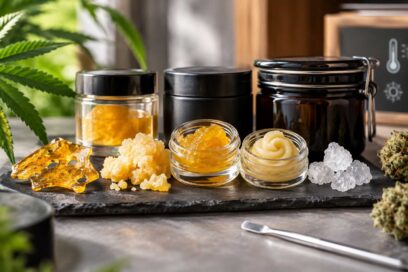
Cannabis concentrates are known for their potency, rich aromas, distinctive flavours, and concentrated cannabinoid content. Whether you prefer wax, shatter, live resin, live rosin, budder, or diamonds, proper storage plays an important role in maintaining product quality. However, like other cannabis products, concentrates can lose freshness over time. Exposure to heat, light, air, and moisture can gradually affect their texture, aroma, flavour, and chemical composition.
Understanding how cannabis concentrates age and recognising the signs of declining freshness can help consumers make more informed decisions about product quality and storage. In this guide, we explore why cannabis concentrates lose freshness, how to identify older products, and what factors influence their shelf life.
Do Cannabis Concentrates Lose Freshness Over Time?
Yes, cannabis concentrates can lose freshness over time. Although their concentrated nature may help preserve certain characteristics compared with some other cannabis products, they are not immune to degradation.
Cannabis concentrates contain cannabinoids, such as THC and CBD, along with terpenes responsible for their distinctive aromas and flavours. These compounds can change when exposed to environmental conditions such as oxygen, excessive heat, ultraviolet light, and humidity.
For example, terpenes are particularly sensitive to heat and air exposure. As they gradually evaporate or break down, concentrates may lose some of their original aroma and flavour. Cannabinoids can also undergo chemical changes during prolonged or improper storage.
The rate of freshness loss depends on several factors, including the extraction method, concentrate consistency, packaging, storage conditions, and product age.
7 Signs That Cannabis Concentrates Have Lost Freshness
Recognising changes in appearance, aroma, texture, and overall product condition can help identify concentrates that may no longer be fresh.
1. Changes in Colour
One of the easiest ways to recognise ageing cannabis concentrates is through changes in colour.
Fresh concentrates can range from pale golden and amber to darker honey-like shades, depending on the strain, extraction process, and product type. Over time, exposure to oxygen, heat, and light may cause some concentrates to darken.
For example, a product that originally had a light golden appearance may gradually develop a darker amber or brown colour.
However, colour changes alone do not automatically mean a concentrate is unsafe or unusable. Different extraction methods naturally produce different colours, so it is important to consider other signs of quality.
2. Loss of Aroma
Terpenes give cannabis concentrates their distinctive aromatic profiles, including citrus, pine, floral, earthy, and fruity notes.
When concentrates lose freshness, their original aroma may become weaker or noticeably different. A product that once had a strong, recognisable scent may develop a faint, flat, or less appealing smell.
This can happen because volatile terpenes gradually evaporate when exposed to air or heat.
An unusual musty, sour, or unpleasant smell is a more concerning sign and may indicate contamination or improper storage.
3. Changes in Texture and Consistency
Texture is another important indicator of concentrate freshness. Different products naturally have different consistencies, but noticeable changes from their original condition may suggest ageing or improper storage.
For example:
- Shatter: May become more brittle or develop a different consistency.
- Wax: Can become harder, drier, or more crumbly.
- Live resin: May lose some of its original consistency as its terpene profile changes.
- Budder: Can become dry or develop an altered texture.
- Rosin: May experience changes in consistency due to temperature fluctuations.
Some texture changes are normal, particularly in products with higher terpene content. Therefore, compare the concentrate with its original appearance rather than relying on texture alone.
4. Reduced Flavour
Flavour is closely connected to terpene preservation. When cannabis concentrates age, their terpene profiles may change, resulting in a less vibrant flavour.
For example, a concentrate that originally had noticeable citrus, berry, or tropical notes may gradually develop a muted or less distinctive taste.
This change does not necessarily mean the product has lost all its quality, but it can indicate that its original aromatic characteristics have deteriorated.
5. Dryness or Excessive Brittleness
Some concentrates naturally have firm or brittle textures. However, unusual dryness can be another sign of freshness loss.
When products are exposed to air or stored in unsuitable conditions, their consistency may change. Certain concentrates can become harder, lose their original texture, or develop a crumbly appearance.
These changes may indicate that the product has not been stored under appropriate conditions.
6. Changes in Potency and Cannabinoid Profile
Cannabinoids can undergo chemical changes over time. THC, for example, can gradually oxidise into other compounds, including CBN, under certain storage conditions.
This means an older concentrate may have a different cannabinoid profile from when it was originally produced.
However, changes in perceived effects are not a reliable way to measure potency. Laboratory testing is the most dependable method for determining cannabinoid content and identifying chemical changes.
7. Visible Signs of Contamination
Visible contamination is one of the most important warning signs to recognise.
If you notice unusual spots, fuzzy growth, unexpected residue, or signs of moisture contamination, avoid using the product. Do not assume that removing the affected portion makes the remaining concentrate safe.
Products with suspicious appearances or unpleasant odours should be treated cautiously, especially when their storage history is unknown.
Why Do Cannabis Concentrates Lose Freshness?
Several environmental and storage-related factors can contribute to concentrate degradation.
1. Exposure to Air and Oxygen
Oxygen can trigger oxidation, which gradually changes the chemical composition of cannabis concentrates. This process may affect cannabinoid content, aroma, colour, and overall product quality.
Keeping containers properly sealed helps limit unnecessary air exposure.
2. Excessive Heat
High temperatures can accelerate the breakdown of sensitive compounds and cause volatile terpenes to evaporate. Concentrates stored in warm environments may lose their original consistency and aromatic characteristics more quickly.
3. Exposure to Light
Direct sunlight and ultraviolet exposure can negatively affect cannabinoid and terpene stability. Research on cannabis storage has identified light exposure as an important contributor to chemical degradation. PMC+1
4. Moisture and Humidity
Although concentrates generally contain less moisture than fresh cannabis plant material, unsuitable storage conditions can still introduce contamination risks. Moisture exposure may encourage microbial growth, particularly if a container is contaminated or improperly sealed.
5. Improper Packaging
Packaging plays an important role in preserving concentrate quality. Containers that do not seal properly can expose products to oxygen, environmental contaminants, and temperature fluctuations.
How to Store Cannabis Concentrates to Maintain Freshness
Proper storage can help preserve the original aroma, texture, and chemical composition of cannabis concentrates. Consider the following practices:
- Use airtight containers: Keep concentrates in suitable, tightly sealed containers to minimise exposure to air.
- Protect them from light: Store products in opaque or UV-resistant packaging and keep them away from direct sunlight.
- Maintain a stable temperature: Avoid warm environments and frequent temperature fluctuations. Follow the manufacturer’s storage instructions.
- Avoid unnecessary handling: Use clean tools and avoid introducing contaminants into the container.
- Keep moisture away: Ensure storage containers remain clean and dry.
- Check product labels: Pay attention to manufacturing dates, recommended storage conditions, and expiry or best-before information where provided.
Refrigeration or freezing is not automatically suitable for every concentrate. Temperature changes can affect consistency and may introduce condensation when containers are opened. Follow the product manufacturer’s recommendations rather than assuming colder storage is always better.
Does Every Cannabis Concentrate Have the Same Shelf Life?
No. Different cannabis concentrates can have different storage characteristics and rates of freshness loss.
For example, live resin and live rosin are valued for their terpene-rich profiles, making aroma and flavour preservation particularly important. Shatter generally has a firmer, glass-like consistency, while wax and budder have softer textures.
The extraction method, starting material, terpene content, processing techniques, and packaging can all influence product stability.
It is also important to understand that research findings on cannabis flowers and laboratory-prepared extracts cannot automatically establish an exact shelf life for every commercial concentrate. Product-specific stability testing and manufacturer guidance are more reliable when determining storage periods.
Can Older Cannabis Concentrates Still Be Used?
Age alone does not necessarily mean a cannabis concentrate has become unsafe. Some products may retain much of their original chemical composition when stored correctly, while others may experience noticeable quality changes.
However, a product with unusual discolouration, visible contamination, unexpected moisture, or an unpleasant smell should not be used. Avoid relying on appearance or smell alone to determine safety.
For consumers, checking product information, storage history, packaging condition, and available laboratory testing is a better approach than judging freshness by age alone.
Final Thoughts
Cannabis concentrates can lose freshness over time due to exposure to heat, light, oxygen, and moisture. Changes in colour, aroma, texture, and flavour are some of the common signs that a product may have experienced degradation. Although different concentrate types have different storage characteristics, proper packaging and suitable storage conditions can help preserve their original quality for longer.
Understanding these signs makes it easier to evaluate cannabis concentrates and make informed purchasing decisions. Whether choosing shatter, wax, live resin, live rosin, or budder, paying attention to product freshness, manufacturing dates, and storage recommendations can make a meaningful difference in maintaining quality.
