
Cannabis
How to Tell If Weed Is Fresh: 8 Signs to Look For
Oct
Cannabis freshness plays an important role in its appearance, aroma, texture, and overall quality. Whether you are familiar with cannabis or simply want to understand how it changes over time, knowing the signs of fresh weed can help you make more informed decisions. Properly stored cannabis generally retains its natural characteristics better than material exposed to excessive heat, light, air, or moisture.
However, freshness is not just about how cannabis looks or smells. Storage conditions, age, and potential contamination also matter. In this guide, we will explore eight signs of fresh weed, explain why cannabis freshness matters, and share practical tips for keeping cannabis in good condition.
Why Cannabis Freshness Matters
Cannabis contains aromatic compounds called terpenes, which contribute to its distinctive smell and flavour. It also contains cannabinoids, including THC and CBD. Over time, exposure to oxygen, light, heat, and unsuitable humidity can affect these compounds and change the plant material’s characteristics.
Freshness matters because cannabis that has been stored poorly may lose its aroma, become brittle, or develop mould if exposed to excessive moisture. Although older cannabis is not automatically unsafe, its condition should always be assessed carefully.
It is also important to understand that freshness does not guarantee potency, purity, or safety. Cannabis can look and smell normal while containing contaminants, so appearance alone cannot confirm its quality.
How to Tell If Weed Is Fresh: 8 Signs to Look For
1. A Vibrant, Natural Colour
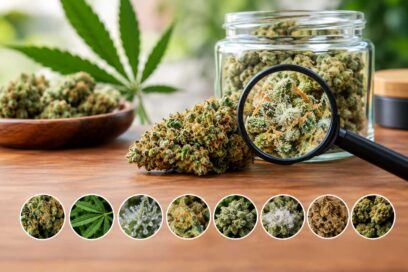
One of the first things to examine is the colour. Fresh, well-preserved cannabis flowers commonly display shades of green, ranging from light to deep green. Depending on the variety, you may also notice purple hues or orange and amber pistils.
Brown, dull, or greyish areas can indicate age, oxidation, or poor storage, although colour changes do not always mean the material is unsafe. Look for an overall natural appearance rather than expecting every flower to have the same shade.
2. A Distinctive, Pleasant Aroma
Aroma is another useful indicator of cannabis condition. Depending on the variety, fresh cannabis may smell earthy, herbal, citrusy, fruity, pine-like, or slightly sweet.
The scent comes largely from its terpene profile. Over time, these aromatic compounds can dissipate, leaving older cannabis with a weaker or less distinctive smell.
Be cautious if the material smells musty, damp, sour, or like mildew. These odours may indicate improper storage or microbial growth. Avoid using cannabis that smells mouldy rather than trying to cover up the smell.
3. A Slightly Springy Texture
Well-preserved cannabis flowers generally have some structure and resilience. When handled gently, they should not immediately crumble into powder or feel excessively damp.
Very dry flowers may have become brittle through prolonged exposure to air or heat. Conversely, flowers that feel wet, sticky in an unusual way, or excessively soft may have been stored under unsuitable conditions.
Texture varies naturally between cannabis varieties, so consider it alongside colour, smell, and other visible signs.
4. Visible Trichomes
Trichomes are tiny, resin-producing structures found on cannabis flowers. Under good lighting, they can appear as small, crystal-like or frosty features on the surface.
These structures contain many of the plant’s cannabinoids and terpenes. Well-preserved flowers may retain a noticeable coating of intact trichomes.
However, a frosty appearance does not prove that cannabis is fresh, potent, or safe. Trichomes can also be damaged by handling, and their appearance varies with the plant’s genetics and maturity.
5. Intact Flower Structure
Fresh, well-handled cannabis flowers often retain their overall shape, with visible plant structure and relatively intact surface features.
Material that has been crushed, broken into tiny fragments, or reduced to excessive loose particles may have experienced rough handling or prolonged storage. This does not necessarily establish its age, but it can indicate physical deterioration.
Examine the flowers without squeezing them unnecessarily. Gentle handling helps preserve their structure and makes it easier to assess their condition.
6. No Visible Mould or Unusual Growth
Checking for mould is one of the most important steps when assessing cannabis. Look for fuzzy white, grey, or unusual patches, web-like growth, or areas that appear powdery in a way that differs from the plant’s natural trichomes.
Trichomes typically look like tiny resinous crystals, while mould may appear fuzzy or irregular. Nevertheless, visual inspection cannot always distinguish contamination accurately.
If you suspect mould, do not smoke or otherwise consume the material. Do not rely on trimming away the affected section, washing it, or heating it to make it safe.
7. Appropriate Dryness Without Excessive Brittleness
Properly preserved cannabis should not be visibly wet or feel saturated with moisture. At the same time, extremely dry flowers can lose their natural flexibility and crumble easily.
Excess moisture creates conditions that can encourage mould, particularly when cannabis is stored in a sealed container before it has been adequately dried and cured.
Remember that touch alone cannot establish a safe moisture level. If the material appears damp or shows signs of contamination, avoid using it.
8. A Consistent Appearance Across the Flowers
Finally, examine the overall batch rather than focusing on a single flower. Consistent colour, texture, and general appearance can provide useful clues about handling and storage.
Look for isolated dark patches, unexpected discolouration, excessive debris, or signs that some flowers have become damp while others are dry.
Consistency does not guarantee freshness or safety, but noticeable differences can help identify material that deserves closer inspection. When in doubt, seek advice from a qualified source or choose a product with reliable quality-control information.
How to Keep Weed Fresh
Appropriate storage helps slow the deterioration of cannabis and protects it from environmental conditions that can affect its quality.
- Use an airtight container: A clean, airtight glass container can help limit exposure to oxygen and preserve the material’s natural aroma.
- Store it in a cool, stable environment: Avoid hot areas, direct sunlight, radiators, and locations where temperatures fluctuate considerably.
- Keep it away from light: Store cannabis in a dark place or use an opaque container to reduce light exposure.
- Avoid excessive moisture: Moisture can encourage mould growth. Cannabis should be adequately dried and cured before being placed in long-term storage.
- Limit unnecessary handling: Frequent handling can damage delicate flowers and their trichomes.
- Keep it secure: Store cannabis in a clearly labelled, child-resistant container, away from children, pets, and anyone who should not have access to it.
Avoid storing cannabis in refrigerators or freezers without understanding the associated condensation and handling risks. Changes in temperature can introduce moisture, while freezing may make delicate trichomes more susceptible to damage.
Benefits of Choosing Fresh Weed
Choosing well-preserved cannabis offers several potential advantages, although freshness alone does not guarantee a particular effect or level of quality.
Better aroma retention: Properly stored cannabis may retain more of its characteristic terpene aroma than material exposed to air and heat for extended periods.
More natural texture: Well-preserved flowers are less likely to become excessively brittle due to environmental exposure.
Improved sensory experience: The appearance, smell, and texture may be more representative of the product’s original characteristics when storage conditions have been appropriate.
Easier quality assessment: Cannabis that retains its natural appearance and aroma may be easier to inspect for obvious signs of deterioration.
Greater confidence in storage quality: Products from reputable, regulated sources with appropriate packaging and quality-control information can provide more confidence than products with an unknown storage history.
Importantly, fresh cannabis is not necessarily more potent, healthier, or safer than older cannabis. Product testing, contamination controls, and reliable sourcing are more meaningful indicators of safety.
Common Signs Your Weed May Be Too Old
Cannabis can gradually change during storage. The following signs may suggest that it has deteriorated:
- Faded colour: Flowers may look dull, brownish, or less vibrant than before.
- Weak aroma: A once-distinctive scent may become faint or nearly disappear.
- Excessive brittleness: Flowers may crumble easily because they have lost too much moisture.
- Unusual odours: Musty or mildew-like smells may indicate contamination rather than simple ageing.
- Visible mould: Fuzzy patches or suspicious growth are reasons to avoid using the material.
- Poor storage history: Cannabis kept in warm, bright, humid, or poorly sealed conditions may deteriorate more quickly.
Older cannabis does not always show every sign of deterioration. Similarly, material that appears fresh can still contain harmful contaminants. Never rely exclusively on age, appearance, or smell to determine whether a product is safe.
Final Thoughts
Knowing how to tell if weed is fresh involves looking at several characteristics together, including colour, aroma, texture, trichomes, flower structure, and signs of mould. No single feature can establish freshness or safety with certainty.
Proper storage in an airtight container, away from excessive heat, light, and moisture, can help preserve cannabis over time. Most importantly, avoid using any material that appears mouldy or smells of mildew, and choose products from reliable sources that provide appropriate quality and safety information.
