
Cannabis
What Is the Entourage Effect in Cannabis?
Jul
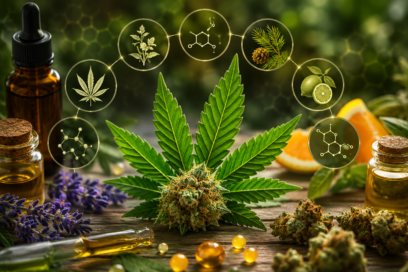
The cannabis plant contains hundreds of naturally occurring compounds, each contributing to its unique effects and therapeutic potential. While cannabinoids like CBD and THC often receive the most attention, researchers have discovered that these compounds may work better together than they do alone. This phenomenon is known as the entourage effect.
The entourage effect in cannabis suggests that cannabinoids, terpenes, flavonoids, and other plant compounds interact synergistically, enhancing each other’s benefits while potentially reducing unwanted side effects. Instead of relying on a single isolated compound, many users and healthcare professionals believe that consuming a full-spectrum cannabis product allows these natural compounds to work in harmony.
As cannabis research continues to expand, understanding the entourage effect can help consumers make more informed choices about the products they use for wellness, recreation, or medical purposes.
Understanding Cannabinoids and Terpenes
To understand the entourage effect, it’s important to first know the two major groups of compounds found in cannabis: cannabinoids and terpenes.
Cannabinoids
Cannabinoids are chemical compounds that interact with the body’s endocannabinoid system (ECS), a complex network responsible for regulating mood, pain, sleep, appetite, immune function, and many other physiological processes.
Some of the most well-known cannabinoids include:
- THC (Tetrahydrocannabinol): The primary psychoactive compound responsible for the “high” associated with cannabis.
- CBD (Cannabidiol): A non-intoxicating cannabinoid widely studied for its potential calming, anti-inflammatory, and pain-relieving properties.
- CBG (Cannabigerol): Often called the “mother cannabinoid,” as it serves as a precursor to several other cannabinoids.
- CBN (Cannabinol): Commonly associated with relaxation and sleep support.
- CBC (Cannabichromene): A lesser-known cannabinoid being studied for its possible anti-inflammatory and mood-supporting effects.
Terpenes
Terpenes are aromatic compounds found in cannabis and many other plants, fruits, and herbs. They give cannabis strains their distinctive scents and flavors while also contributing to their effects.
Some common cannabis terpenes include:
- Myrcene: Earthy aroma; associated with relaxation.
- Limonene: Citrus scent; may promote elevated mood.
- Pinene: Pine fragrance; linked to alertness and focus.
- Linalool: Floral aroma similar to lavender; known for calming properties.
- Caryophyllene: Peppery scent; unique for interacting directly with cannabinoid receptors.
Rather than acting independently, cannabinoids and terpenes may influence each other’s activity, creating a more balanced and effective experience.
How the Entourage Effect in Cannabis Works
The entourage effect occurs when multiple cannabis compounds work together to produce effects that are greater than those of any individual compound alone.
For example, CBD may help moderate some of THC’s psychoactive effects, potentially reducing anxiety or paranoia in certain users. Meanwhile, terpenes may influence how cannabinoids interact with the body’s receptors or contribute their own therapeutic properties.
Think of it like an orchestra. A single instrument can produce beautiful music, but when every instrument plays together in harmony, the result is richer, more dynamic, and more impactful. Similarly, cannabinoids and terpenes may complement each other to create a more comprehensive effect.
Although scientists are still studying the precise biological mechanisms, growing evidence suggests that these natural interactions play a significant role in the overall cannabis experience.
Full-Spectrum vs. Isolate: Why It Matters
Understanding the difference between full-spectrum and isolate products is essential when discussing the entourage effect.
Full-Spectrum Cannabis Products
Full-spectrum extracts retain a broad range of naturally occurring cannabinoids, terpenes, flavonoids, and other beneficial compounds found in the cannabis plant. These products are specifically valued because they preserve the plant’s natural chemical profile.
Many users choose full-spectrum products because they believe the entourage effect enhances therapeutic benefits and provides a more balanced experience.
Broad-Spectrum Products
Broad-spectrum products contain multiple cannabinoids and terpenes but have little to no detectable THC. They may still provide some entourage benefits while avoiding THC-related intoxication.
Cannabis Isolates
Cannabis isolates contain only a single purified cannabinoid, such as CBD isolate or THC isolate, with all other plant compounds removed.
While isolates allow for precise dosing and may be appropriate for certain medical or research applications, they may not provide the same synergistic benefits associated with full-spectrum formulations.
Ultimately, the right choice depends on an individual’s health goals, tolerance, and medical advice.
Benefits of the Entourage Effect in Cannabis
Although research is ongoing, several potential benefits have been associated with the entourage effect.
Enhanced Therapeutic Potential
The combined action of cannabinoids and terpenes may provide stronger therapeutic effects than isolated compounds alone, particularly for pain management, inflammation, and anxiety.
Improved Symptom Relief
Some users report better relief from chronic pain, muscle spasms, insomnia, and stress when using full-spectrum cannabis products.
Balanced Psychoactive Effects
CBD and certain terpenes may help soften some of THC’s stronger psychoactive effects, potentially making the overall experience more comfortable for some individuals.
Lower Required Dosage
If multiple compounds work synergistically, users may achieve desired effects with lower doses than would be necessary using isolated cannabinoids.
Broader Wellness Support
The combination of cannabinoids, terpenes, and flavonoids may support multiple body systems simultaneously, contributing to overall wellness rather than targeting only one symptom.
It’s important to note that individual responses vary based on body chemistry, dosage, product quality, and method of consumption.
Scientific Research Behind the Entourage Effect
The entourage effect was first proposed in 1998 by researchers Raphael Mechoulam and Shimon Ben-Shabat, who suggested that naturally occurring cannabis compounds may work together to enhance biological activity.
Since then, numerous laboratory and preclinical studies have explored the interactions between cannabinoids and terpenes. Some findings indicate that full-spectrum cannabis extracts may outperform isolated cannabinoids in certain conditions, particularly regarding inflammation, pain, epilepsy, and anxiety.
However, human clinical research remains limited. While early evidence is promising, scientists continue to investigate which combinations of cannabinoids and terpenes are most effective for specific medical conditions.
Current research supports the possibility of synergy, but more large-scale clinical trials are needed before definitive conclusions can be made.
Why Strain Selection Is Important
Every cannabis strain contains a unique combination of cannabinoids and terpenes, creating its own chemical fingerprint.
Two strains with similar THC percentages can produce noticeably different effects because their terpene profiles differ significantly.
For example:
- High-myrcene strains may feel more relaxing.
- Limonene-rich strains may encourage a more uplifting experience.
- Pinene-dominant strains may promote mental clarity.
- Caryophyllene-rich varieties may provide additional anti-inflammatory support.
Rather than focusing solely on THC or CBD content, many experienced consumers evaluate the complete cannabinoid and terpene profile when selecting a product.
Understanding strain composition allows users to better match cannabis products to their desired outcomes.
Entourage Effect and Medical Cannabis
The entourage effect has become an important consideration in medical cannabis treatment.
Healthcare providers who recommend cannabis often recognize that patients may respond differently depending on the complete chemical profile of the product.
Medical cannabis patients commonly seek relief from conditions such as:
- Chronic pain
- Multiple sclerosis
- Epilepsy
- Anxiety disorders
- Post-traumatic stress disorder (PTSD)
- Cancer-related symptoms
- Arthritis
- Sleep disorders
For some patients, full-spectrum cannabis formulations may provide more comprehensive symptom management than isolated cannabinoids. However, treatment should always be individualized, and patients should consult qualified healthcare professionals before using cannabis for medical purposes.
As research advances, healthcare providers may become better equipped to recommend specific cannabinoid-terpene combinations tailored to individual medical conditions.
How to Maximize the Entourage Effect in Cannabis
If you’re interested in experiencing the entourage effect, consider these practical tips:
- Choose Full-Spectrum Products: Whenever appropriate, opt for full-spectrum extracts that preserve the plant’s natural range of cannabinoids and terpenes.
- Review Laboratory Test Results: Purchase products that include third-party lab testing. Certificates of Analysis (COAs) can verify cannabinoid potency, terpene profiles, and product purity.
- Learn About Terpenes: Understanding common terpenes and their potential effects can help you select products that better align with your wellness goals.
- Start with Low Doses: Begin with a low dose and increase gradually while monitoring your body’s response. Individual sensitivity to cannabinoids varies widely.
- Store Cannabis Properly: Heat, light, and air can degrade cannabinoids and terpenes over time. Store products in cool, dark, airtight containers to preserve their chemical composition.
Conclusion
The entourage effect in cannabis highlights the remarkable complexity of the cannabis plant. Rather than acting independently, cannabinoids, terpenes, flavonoids, and other natural compounds may work together to create enhanced therapeutic benefits and a more balanced overall experience.
While scientific research continues to evolve, many consumers and healthcare professionals believe that full-spectrum cannabis products offer advantages over isolated cannabinoids because they preserve the plant’s natural synergy. Understanding cannabinoid profiles, terpene content, and strain selection can help users make more informed decisions when choosing cannabis products.
Choosing the Right Cannabis Products for the Entourage Effect
Getting the most from the entourage effect starts with choosing high-quality cannabis products. Before making a purchase, consider products that provide:
- Independent laboratory testing
- Detailed cannabinoid and terpene information
- Full-spectrum formulations
- Recently harvested cannabis
- Transparent cultivation and sourcing practices
For those seeking premium cannabis products online, Top BC Bud is a trusted destination. Their carefully curated selection includes high-quality flowers, concentrates, edibles, and full-spectrum products sourced with quality in mind. By focusing on freshness, consistency, and transparency, Top BC Bud makes it easier for consumers to find cannabis products that support the entourage effect and deliver a reliable experience.
