
Edibles
Why Do THC Candies Feel Different From Smoking Cannabis?
Aug
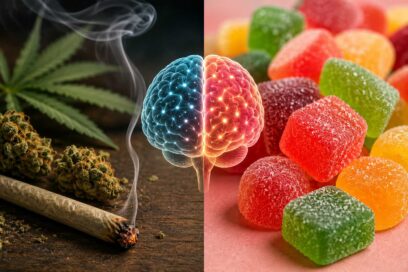
THC can produce noticeably different effects depending on how it enters the body. Someone who is familiar with smoking cannabis may be surprised by how different THC candies or other edible products can feel. Although both methods deliver tetrahydrocannabinol (THC), the body processes THC differently when it is inhaled compared with when it is eaten.
The biggest differences come down to how quickly THC reaches the bloodstream, how long the effects last, and how the body metabolizes THC. Understanding these differences can help explain why an edible experience may feel stronger, slower, or longer-lasting than smoking cannabis.
What Are THC Candies?
THC candies are cannabis-infused edible sweets that contain tetrahydrocannabinol (THC), the primary psychoactive compound in cannabis. They can come in different forms, including gummies, chews, hard candies, chocolates, and other sweet treats.
Unlike smoking cannabis, THC candies are consumed orally. After being eaten, the THC passes through the digestive system and is processed by the liver before entering the bloodstream. Because of this, the effects generally take longer to appear but can last considerably longer than the effects of inhaled cannabis.
How Smoking Cannabis Affects the Body
When cannabis is smoked, THC travels through the lungs and quickly enters the bloodstream. From there, it reaches the brain relatively rapidly, which is why the effects of inhaled cannabis can become noticeable within minutes.
Because the onset is relatively quick, people can generally recognize the effects sooner. The experience may include euphoria, relaxation, altered sensory perception, increased appetite, or changes in attention and time perception.
Smoking also tends to produce a comparatively shorter experience. While the exact duration varies from person to person, the noticeable effects typically develop quickly and gradually fade over the following hours.
This rapid onset can make inhaled cannabis feel more immediate and easier to gauge from moment to moment.
Why THC Candies Take Longer to Work
THC candies are consumed orally, so they follow a different route through the body. Instead of reaching the bloodstream directly through the lungs, THC first passes through the digestive system.
This means the effects generally take longer to appear. The timing can vary significantly depending on factors such as the individual’s metabolism, whether they have recently eaten, the formulation of the edible, and other personal factors.
This delayed onset is one of the most important differences between edibles and smoking. A person may feel little or nothing shortly after consuming a THC candy and then notice the effects later.
That delay can make edibles feel unpredictable, particularly for someone who expects them to behave like smoked cannabis.
The Role of the Liver
One of the biggest reasons THC candies can feel different is what happens after THC is absorbed from the digestive system.
When orally consumed THC reaches the liver, it undergoes a process known as first-pass metabolism. The liver converts some THC into a metabolite called 11-hydroxy-THC.
This compound is psychoactive and contributes to the distinctive experience associated with orally consumed THC. Because of this metabolic pathway, the effects of an edible can feel different from those produced by inhaled cannabis, even when the original substance is THC.
The difference isn’t simply that one method is “stronger.” The body is processing THC through different pathways, which can change the character, timing, and duration of the experience.
Why Edibles Can Feel More Intense
THC candies may sometimes produce a more pronounced or immersive experience than a person expects. This can partly be explained by the way orally consumed THC is metabolized and the fact that the effects develop over a longer period.
People may experience changes in perception, relaxation, euphoria, drowsiness, altered sense of time, or impaired concentration. Some people may also experience unwanted effects such as anxiety, dizziness, nausea, confusion, or an uncomfortable feeling of being overly intoxicated.
The experience can also vary considerably between individuals. Body chemistry, tolerance, metabolism, previous cannabis experience, and the amount of THC consumed can all influence the outcome.
Why the Effects Last Longer
Another major difference is duration.
Smoking delivers THC quickly, but the effects also tend to decline sooner. With an edible, absorption and metabolism take place over a longer period, so the experience can last considerably longer.
This longer duration can be appealing to some people, but it can also be challenging if the effects become uncomfortable. Unlike inhaled cannabis, where changes may be noticed relatively quickly, an edible experience can continue for several hours.
For this reason, it is important not to assume that an edible will feel exactly like smoking cannabis simply because both products contain THC.
Why the Experience Can Vary From One Candy to Another
Not all THC candies produce identical effects. Products can differ in THC concentration, formulation, ingredients, and how consistently the THC is distributed throughout the product.
Individual factors matter too. Eating a THC candy on an empty stomach may feel different from consuming it after a meal. Metabolism and tolerance can also influence the onset and intensity.
Additionally, cannabis products may contain other cannabinoids and compounds that can influence the overall experience. The combination of these factors means that two people consuming similar products may report noticeably different effects.
Smoking vs. THC Candies: The Main Differences
The easiest way to understand the distinction is to think about speed versus duration.
Smoking cannabis generally produces effects quickly because THC enters the bloodstream through the lungs. The experience is therefore more immediate and tends to have a shorter overall duration.
THC candies work more slowly because the digestive system and liver are involved. Their effects may take longer to appear, but they can persist for much longer.
Neither method produces an identical experience. The route of administration changes how THC is absorbed and metabolized, which ultimately influences how the effects are experienced.
Why Patience Matters With Edibles
One of the biggest mistakes people can make with THC edibles is assuming that a delayed onset means the product isn’t working. Because effects can take time to develop, consuming additional THC too soon can result in unexpectedly strong effects later.
Anyone using cannabis should follow applicable local laws, pay attention to product labeling, and avoid driving or operating machinery while impaired. People who are inexperienced with cannabis should be especially cautious because edible effects can be delayed and long-lasting.
Final Thoughts
THC candies feel different from smoking cannabis because the body absorbs and processes THC differently depending on how it is consumed. Smoking delivers THC rapidly through the lungs, creating a relatively quick onset and shorter-lasting experience. Edibles travel through the digestive system and liver, where THC is metabolized into compounds such as 11-hydroxy-THC, contributing to a slower-onset and often longer-lasting experience.
Understanding this distinction helps explain why someone familiar with smoking cannabis shouldn’t automatically expect the same sensations from a THC candy. The product may contain the same primary psychoactive compound, but the journey THC takes through the body can significantly change the experience.
