
Cannabis
How Terpenes Shape the Cannabis Experience
Jul
When people think about cannabis, the spotlight often falls on cannabinoids like THC and CBD. These compounds are well-known for their psychoactive and therapeutic effects. However, another group of natural compounds plays an equally important role in defining the overall cannabis experience—terpenes.
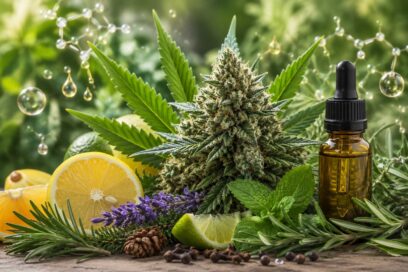
Terpenes are the aromatic molecules responsible for the distinctive scents and flavors found in different cannabis strains. From the citrusy aroma of Lemon Haze to the earthy fragrance of OG Kush, terpenes create the sensory identity of cannabis. But their role extends far beyond aroma. Emerging research suggests that terpenes can influence mood, enhance therapeutic effects, and even shape how cannabinoids interact with the body.
In this blog, we’ll explore what terpenes are, why they matter, and how they contribute to the unique effects of cannabis.
What Are Terpenes?
Terpenes are naturally occurring organic compounds found in thousands of plants, including lavender, pine trees, citrus fruits, rosemary, and cannabis. They serve several biological functions, such as attracting pollinators, repelling pests, and protecting plants from environmental stress.
In cannabis, terpenes are produced in the same glandular trichomes that generate cannabinoids. More than 200 different terpenes have been identified in cannabis, each contributing to the plant’s aroma, flavor, and potential effects.
The combination and concentration of these terpenes give every cannabis strain its unique personality.
Why Terpenes Matter
For years, cannabis consumers categorized strains as Indica, Sativa, or Hybrid. While these classifications remain popular, modern research indicates that a strain’s terpene profile may be a more accurate predictor of its effects.
For example, two strains with similar THC levels can produce entirely different experiences because they contain different terpene combinations.
Terpenes may influence factors such as:
- Relaxation or alertness
- Mood enhancement
- Stress relief
- Focus and creativity
- Sleep quality
- Pain perception
- Flavor and aroma
This makes terpene profiles increasingly important for both recreational users and medical cannabis patients seeking specific outcomes.
The Entourage Effect
One of the most fascinating concepts in cannabis science is the entourage effect.
The entourage effect refers to the theory that cannabinoids, terpenes, and other cannabis compounds work together synergistically, producing effects that are greater than any single compound alone.
Rather than THC or CBD acting independently, terpenes may enhance, moderate, or complement their effects. Although research is still evolving, many scientists believe this interaction explains why full-spectrum cannabis products often deliver more balanced and nuanced experiences than isolated cannabinoids.
Common Cannabis Terpenes and Their Effects
1. Myrcene
Myrcene is one of the most abundant terpenes in cannabis. It has an earthy, musky aroma with hints of cloves and herbs.
Potential benefits include:
- Deep relaxation
- Muscle comfort
- Improved sleep
- Stress reduction
Strains rich in myrcene are often associated with calming evening use.
2. Limonene
As the name suggests, limonene delivers bright citrus aromas similar to lemons and oranges.
It is commonly linked with:
- Elevated mood
- Increased energy
- Reduced stress
- Mental clarity
Many uplifting daytime strains feature high concentrations of limonene.
3. Pinene
Pinene offers the refreshing scent of pine forests and evergreen trees.
Possible effects include:
- Improved focus
- Enhanced alertness
- Respiratory support
- Reduced mental fog
Some studies suggest pinene may even help counter certain short-term memory effects associated with THC.
4. Linalool
Linalool is also found in lavender and is widely recognized for its calming fragrance.
Potential effects include:
- Relaxation
- Anxiety reduction
- Better sleep
- Soothing stress
This terpene is popular among users seeking gentle, calming experiences.
5. Caryophyllene
Caryophyllene has a spicy, peppery aroma similar to black pepper and cloves.
Unlike most terpenes, it can interact directly with the body’s CB2 cannabinoid receptors.
Potential benefits include:
- Anti-inflammatory support
- Pain relief
- Stress management
- Immune system support
This unique characteristic makes caryophyllene especially interesting in medical cannabis research.
Aroma, Flavor, and Personal Preference
Terpenes are largely responsible for the sensory appeal of cannabis.
Some popular aroma profiles include:
- Citrus
- Pine
- Berry
- Floral
- Earthy
- Diesel
- Sweet
- Herbal
For many consumers, aroma is more than a pleasant feature—it often provides clues about the effects they may experience. While personal biology influences how each person responds, experienced users frequently learn to recognize terpene-rich aromas that match their preferences.
Choosing Cannabis Based on Terpenes
Instead of focusing only on THC percentage, many consumers now examine terpene profiles when selecting cannabis products.
Here are a few general guidelines:
- For relaxation, look for strains high in myrcene or linalool.
- For daytime productivity, limonene and pinene may offer more energizing effects.
- For physical comfort, caryophyllene-rich strains may be worth exploring.
- For balanced experiences, seek products with diverse terpene profiles rather than isolated cannabinoids.
Many licensed dispensaries now provide laboratory reports listing both cannabinoid and terpene content, making it easier for consumers to make informed choices.
The Future of Terpene Research
Scientific interest in cannabis terpenes continues to grow rapidly.
Researchers are studying how terpene combinations may support treatments for anxiety, chronic pain, inflammation, sleep disorders, depression, and neurological conditions. While many findings remain preliminary, early evidence suggests terpenes could become an important part of personalized cannabis therapies.
As legalization expands and research barriers decrease, our understanding of these remarkable plant compounds will continue to evolve.
Final Thoughts
Terpenes are far more than the compounds responsible for cannabis aroma—they are essential contributors to the overall cannabis experience. By influencing flavor, scent, mood, and potentially the interaction between cannabinoids and the body’s endocannabinoid system, terpenes help explain why every cannabis strain feels unique.
Whether you’re a recreational consumer seeking a more enjoyable experience or a medical cannabis patient looking for targeted relief, understanding terpene profiles can help you choose products that better align with your goals. As cannabis science advances, terpenes are proving to be one of the most exciting frontiers in understanding the plant’s full therapeutic potential.
The next time you select a cannabis product, don’t just check the THC percentage—take a closer look at the terpene profile. It may be the key to discovering a more personalized and satisfying cannabis experience.
